





Why Casino Brango Mobile Works For Daily Play
The biggest reason people use a phone for gaming is simple: it fits the day they already have. A desktop session asks for time, posture, and attention. A handheld session asks for much less. You open the platform, check your balance, scan a few categories, and decide in a minute whether you want a short round or a longer evening session. That rhythm matters in Canada, where many players jump in between errands, after work, or while relaxing on the sofa rather than sitting down for a formal gaming block.
Imagine a normal weekday. You are waiting for food delivery, you have fifteen free minutes, and you do not want to spend five of them figuring out where the cashier sits or how to return to your last game. In 2026, that demand for fast, phone-first access feels normal, not special. Clear buttons, readable menus, and a fast path back to recent activity usually decide whether the experience feels smooth or irritating. Brango can feel practical when that basic flow is handled well.
Getting Started On A Phone
A strong phone experience starts before the first round. It begins with loading speed, screen fit, and whether the menus make sense with one thumb. If the platform opens cleanly, remembers your preferences, and keeps the most-used actions visible, the rest of the session becomes easier. Players rarely describe this as a technical issue. They simply say the site feels easy, or it feels messy.
There is also the question of intent. Some visitors arrive ready to deposit and play. Others just want to look around or return to a title they tried earlier. Good design respects both types. You should be able to browse without pressure, but also complete the essential steps without digging through extra screens.
Usually players do the same three things first: check account status, open the lobby, and verify the cashier. If one of those steps is buried, the whole product feels slower than it really is. That is why the opening minutes matter so much. They set the tone for every session that follows.
Using Brango Casino App Login When Time Is Short
Picture a morning commute or a coffee break. You are not looking for a tour - you want to enter, confirm your details, and continue where you left off. The best sign-in flow does exactly that. It keeps fields readable, avoids clutter, and gives a clear recovery path if a password is wrong, a code expires, or a session timed out the night before.
If Access Feels Slower Than Expected
When entry takes longer than it should, the solution is often boring but effective: check connection quality, close duplicate tabs, refresh once, and try again without rushing. Many problems come from small things such as autofill inserting an old email, stored data confusing the browser, or a weak signal interrupting verification.
Imagine you are outdoors, the signal drops, and the page stalls right after you submit your details. That does not always mean something is wrong with the account itself. A calmer approach helps: reconnect, reopen the page, verify each field manually, and only then move to recovery if needed. On a phone, patience often solves what panic makes worse.
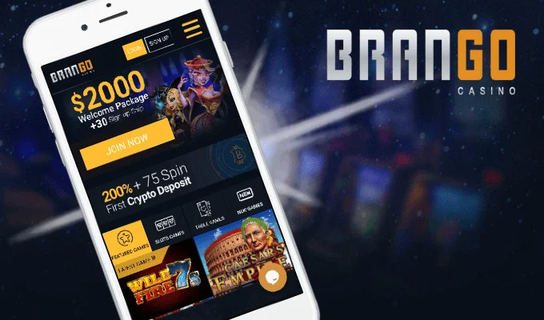
What Registration Feels Like On A Small Screen
Creating a new account on a handset should feel like filling out one clean form, not assembling a puzzle. The best approach is direct: basic personal details, account credentials, and a quick confirmation stage. After that, many players check payment options and browse the lobby before committing funds. This is where trust starts to form - not from big claims, but from small signs that the platform respects the user’s time.
If you are new, the smart move is to slow down for one extra minute and review everything before you confirm. Check spelling, birthday format, contact details, and any required identity information. Usually the frustration comes later, during a withdrawal request, when an old typo suddenly matters.
For adults in Canada, another useful habit is to treat account creation as part of responsible use rather than a formality. Read the key account notices, understand that availability may depend on local rules and age restrictions, and make sure the details you enter match your documents. Basic habits are what keep later steps clean.
Game Browsing And Session Flow

Once the account side is settled, the next question is how quickly you can move through the lobby. On a small display, category design matters more than huge banners. Most players want simple routes: recent titles, table games, live options, and promotional sections that do not take over the whole screen. When filters are usable and the search bar actually helps, discovery becomes part of the fun instead of a chore.
A typical player does not explore every corner. They open one familiar category, test one or two new ideas, and either continue or leave. That means the platform should make it easy to compare pace and style. Fast-spin titles suit one mood. Slower table sessions suit another. Live rooms often work best when you have more time and a stable connection.
There is also a practical side to handheld play: interruptions. A call comes in, the battery drops, or you need to switch apps. Strong session flow means returning without confusion. You should be able to find your place, confirm account status, and continue without re-learning the interface every time.
Finding Tables, Slots, And Live Rooms Faster
Imagine opening the lobby at night after a long day. You do not want to scroll forever through crowded tiles. Most people use search, favorites, or a recently played section first, then narrow the list by theme or pace. When those tools work well, the platform feels less like a giant catalog and more like a personal shelf.
Adjusting Sound, Speed, And Battery Use
Phone play is not only about what appears on screen. It is also about how the session behaves in the real world. Usually players lower brightness, mute background audio, and close other heavy apps before a longer session. If you are using mobile data or your battery is already low, those small adjustments can make the difference between a clean half hour and a frustrating stop-start experience.
Payments, Cashouts, And Key Checks
Deposits and withdrawals are where casual curiosity turns into real evaluation. The interface should show available methods clearly, explain the basic steps, and make review screens easy to read before you confirm anything. People do not mind checking details. They mind checking them in a rush because the layout is cramped.
Task | What To Prepare | What To Review Before You Confirm |
|---|---|---|
Add funds | Verified account details and a suitable payment method | Amount, balance impact, and any limits shown in the cashier |
Request a payout | Matching personal information and an approved withdrawal route | Destination details, review notices, and pending verification prompts |
Update account details | Current contact information and document-ready data | Spelling, date format, and whether changes affect future requests |
Set spending controls | A realistic budget for weekly or monthly play | Cooling-off needs, limit type, and how soon changes take effect |
Imagine you are topping up late in the evening after a long shift. This is when mistakes happen: one extra zero, the wrong wallet route, or a skipped review screen. A good routine is simple - choose the method, read every field once, confirm only after the total makes sense, and stop if something looks unclear.
Payouts need the same calm approach. Many players rush to the cashout page after a good run and then get annoyed because one identity prompt appears or an old detail no longer matches. In practice, that is often preventable. Keep your profile current, use your own verified information, and treat the withdrawal step as paperwork, not as the victory lap.
Keeping Your Wallet Routine Simple
Most players are better off choosing one main funding route and learning it well instead of switching constantly. Fewer moving parts means fewer errors, easier tracking, and clearer habits. If you know how long your chosen method usually feels in practice, you make calmer decisions.
Think of someone who uses one route for deposits, another for payouts, and a third account for everyday spending. That can work, but it also creates confusion when statements, balance checks, and review prompts no longer align. Simpler routines often produce better control than complicated setups.
Safer Play Tools And Day-To-Day Control
A phone can make gaming feel lighter, and that is exactly why personal control matters. When access is always in your pocket, it becomes easier to drift into repeated short sessions that add up quietly. Strong platforms answer this with practical tools: account review screens, limit settings, break options, and clear support paths when a player wants distance.
Usually the smartest players decide their rules before they start. They set a budget, choose a session length, and define a stop point for both wins and losses. Imagine finishing work tired and opening the platform out of habit rather than intention. In that moment, a preset limit is not a restriction. It is a useful barrier between impulse and action.
Limits, Breaks, And Timeout Options
Cooling-off tools matter because they interrupt momentum. If you feel the session is getting noisy, too emotional, or just longer than planned, using a pause feature can reset the situation quickly. Better players use these controls early, when the decision is still calm.
When Support Becomes Part Of The Session
Customer support is not only for emergencies. Often it is there for ordinary friction: a form that will not submit, a balance question, a verification step, or uncertainty about a pending request. The best support experience is not dramatic. It is clear, patient, and focused on the next step.
Imagine you are checking a request at night and the wording on screen feels vague. A useful support path helps you move from uncertainty to action: explain the issue, confirm the account details they ask for, and follow one set of instructions at a time. Good support lowers stress because it turns a messy moment into a sequence.
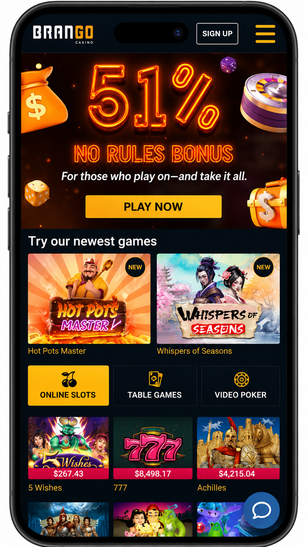
What Makes The Experience Feel Trustworthy In Canada
Trust on a phone is built through consistency. Pages should load in a familiar way, account notices should be readable, and confirmation steps should not feel hidden. Players in Canada often judge reliability through small repeated signals: does the cashier stay clear, do the account settings make sense, can they find responsible-use tools without hunting for them, and do support messages sound human rather than robotic?
Another part of trust is expectation management. No serious player should assume every request is instant or every process is automatic. Some checks take time, some methods work differently, and certain actions may depend on location, account history, or document review. When the platform communicates that plainly, frustration drops because people know what they are waiting for and why.
Picture two different evenings. On one, everything is rushed: fast deposit, fast play, fast exit, no review. On the other, the player takes a minute to verify the account, reads the cashier screens, and sets a simple session cap. The second evening looks less exciting, but it usually leads to a better long-term experience. On a phone, trust is rarely about dramatic promises. It is about whether the system keeps making sense after the third, fifth, and tenth visit.